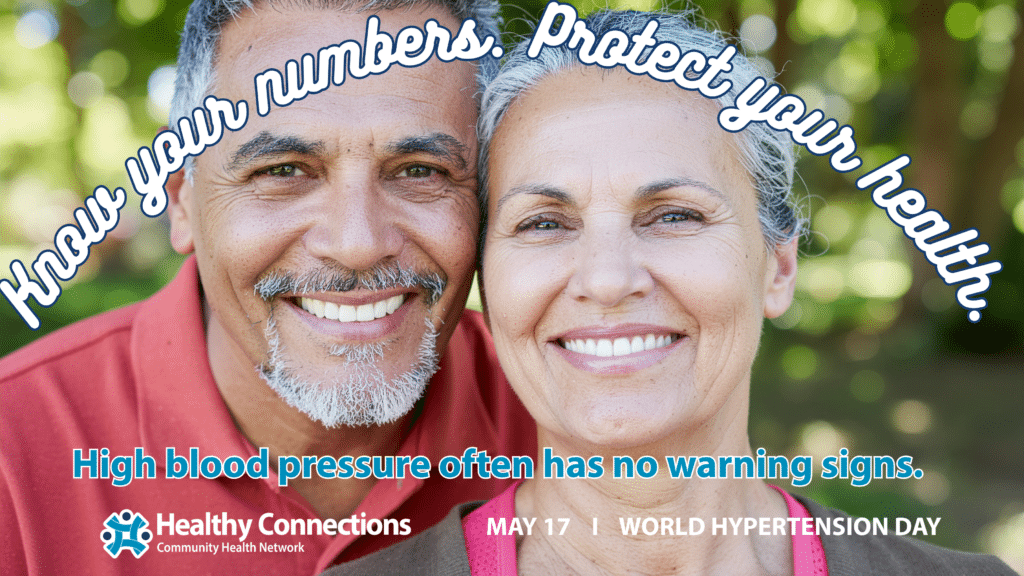
World Hypertension Day is a reminder of one of the most important—and most overlooked—parts of your health: your blood pressure. High blood pressure, or hypertension, is often called the “silent killer” because it usually has no symptoms. You can feel completely fine while serious damage is happening over time.
According to the Centers for Disease Control and Prevention, nearly half of adults in the United States have high blood pressure, and many don’t know it. That is why knowing your numbers is not optional—it is essential.
Why World Hypertension Day Matters for Your Health
World Hypertension Day highlights the real impact high blood pressure has on long-term health. Blood pressure is one of the simplest things to check, but one of the most important to understand.
- A normal reading is generally around 120/80
- Elevated blood pressure begins above that range
- Hypertension is typically diagnosed at 130/80 or higher
You can have your blood pressure checked during a routine visit with your provider, which is the most reliable option. If you have access to a home blood pressure monitor, that can also be a helpful way to track your numbers between visits.
When your blood pressure stays elevated over time, it puts constant strain on your heart and blood vessels. That strain builds over time and increases your risk for serious health conditions.
The Real Risk of High Blood Pressure
In real-world situations, many patients come in for a routine visit expecting everything to be fine—only to find their blood pressure is significantly elevated. They feel okay. They haven’t noticed symptoms. But the risk is already there.
World Hypertension Day is a reminder that high blood pressure can affect adults of any age, often without warning.
Over time, uncontrolled high blood pressure can lead to:
- Heart disease
- Stroke
- Kidney damage
- Vision loss
These are not distant possibilities—they are common outcomes when hypertension is left untreated.
Primary Care Is Where Prevention Happens
The most effective way to manage high blood pressure is through consistent, routine care. That is where primary care makes the difference.
At Healthy Connections, providers don’t just check your blood pressure once—they track it over time, look for patterns, and help you stay ahead of problems before they escalate.
Your primary care team can:
- Monitor your numbers regularly
- Identify changes early
- Recommend practical lifestyle adjustments
- Prescribe medication when needed
If your blood pressure is elevated, it does not automatically mean you will need medication. Many patients can improve their numbers with lifestyle changes, and your provider will help determine the best plan for you.
Simple Steps You Can Take Right Now
Managing blood pressure does not always require drastic changes. In many cases, small, consistent steps can make a meaningful difference.
That may include:
- Reducing sodium intake
- Staying physically active
- Managing stress
- Maintaining a healthy weight
- Taking medications as directed
A simple first step is to check your blood pressure this week—whether at home, at a pharmacy, or during a visit with your provider. World Hypertension Day is the perfect time to start.
Accessible Care Across Arkansas
Healthy Connections has been serving communities across Arkansas for more than 25 years, providing trusted, local care patients can rely on.
Primary care services are available at multiple Healthy Connections locations throughout the state. Patients can call 888-710-8220 or visit healthy-connections.org to find a clinic near them.
Same-day appointments, same-week appointments, and walk-in options are available, helping patients get connected to care as quickly as possible.
Healthy Connections accepts Medicaid, Medicare, ARKids, and most major insurance plans. For patients without insurance, a sliding fee scale is available for those who qualify. The goal is simple: make it easier to access care.
Don’t Wait—Take Action on World Hypertension Day
World Hypertension Day is not just about awareness—it is about action.
If you don’t know your numbers, now is the time to find out. If it has been a while since your last checkup, scheduling a visit is one of the most important steps you can take for your health.
High blood pressure doesn’t wait. It doesn’t always give you warning signs. World Hypertension Day is your reminder to take control of your health now.
You don’t have to wait until something feels wrong. You don’t have to wait until it gets worse. You can take action today.
Call 888-710-8220 or visit healthy-connections.org to schedule an appointment.
Knowing your numbers could save your life.
Frequently Asked Questions About High Blood Pressure
How often should I check my blood pressure?
Most adults should have their blood pressure checked at least once a year, and more often if it is elevated or being monitored.
Can I check my blood pressure at home?
Yes. Home blood pressure monitors can be useful, but it’s still important to have it checked during a visit with your provider.
What should I do if my blood pressure is high?
Start by scheduling a visit with your provider. Many cases can be managed with lifestyle changes, and your care team will guide you on the next steps.