
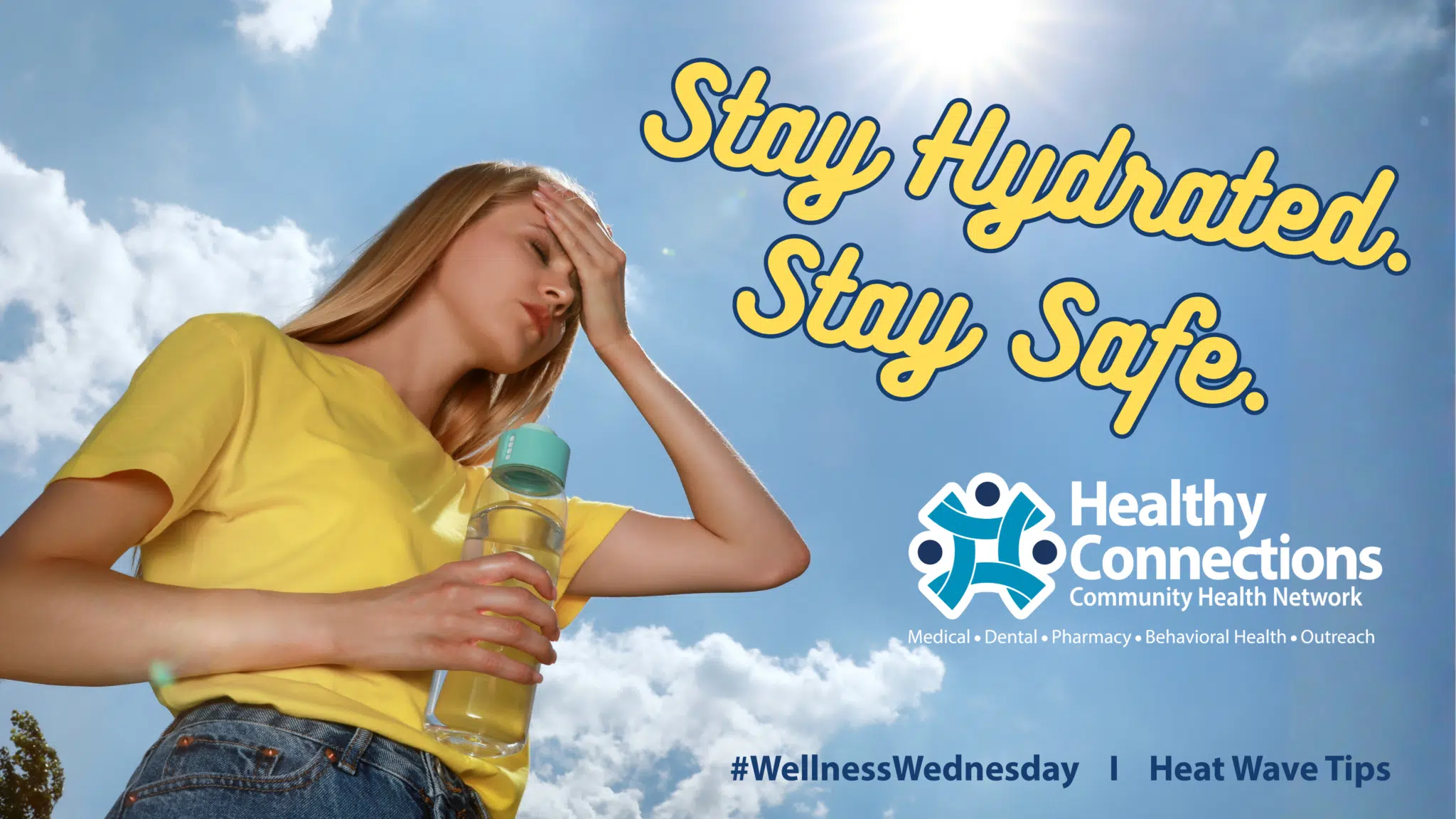
Arkansas temperatures are expected to climb into the upper 90s, making it important to prepare before the most intense heat arrives. These summer hydration tips can help children, adults, outdoor workers, athletes, and older adults stay safer as temperatures rise.
A morning ballgame, an afternoon mowing the yard, a construction shift, or a few errands can lead to significant fluid loss, especially when high temperatures are combined with humidity. Dehydration may begin with thirst, fatigue, or a headache, but it can progress to heat exhaustion or heat stroke if the warning signs are ignored.
Healthy Connections encourages people of all ages to make hydration part of their daily summer routine. The goal is not simply to drink more water at once. It is to drink regularly, take cooling breaks, recognize early symptoms, and understand when heat-related illness requires medical attention.
Why Hydration Matters
Water helps the body regulate temperature, circulate blood, digest food, protect joints, and support normal organ function. When the body loses more fluid than it replaces, dehydration occurs. Hot weather, sweating, fever, vomiting, diarrhea, certain health conditions, and some medications can all increase fluid loss or make it harder for the body to handle heat.
Common signs of dehydration include:
- Thirst or a dry mouth
- Dark-colored urine or urinating less often than usual
- Headache
- Fatigue or unusual weakness
- Dizziness or lightheadedness
- Muscle cramps
- Dry skin
Urine color can be a useful clue. Pale yellow usually suggests adequate hydration. However, vitamins, medications, and certain medical conditions can change urine color, so it should not be the only measure used.
Who Faces a Higher Risk?
Anyone can become dehydrated, but some people require extra attention during periods of high heat.
Older Adults
The sense of thirst may become less reliable with age. Chronic medical conditions, mobility limitations, and medications can also increase the risk of dehydration and heat-related illness.
Infants and Children
Young children may not recognize thirst or stop playing long enough to drink. Parents, coaches, and caregivers should schedule regular water and cooling breaks during sports, camps, outdoor play, and family activities.
Athletes and Active Individuals
Exercise increases fluid loss through sweating. Hydration should begin before activity and continue during and after exercise. Athletes should not wait until they feel extremely thirsty before taking a break.
Outdoor Workers
People working in construction, agriculture, landscaping, maintenance, and similar jobs may experience prolonged heat exposure and heavy sweating. Regular water breaks, cooling periods, appropriate clothing, and access to shade or air conditioning are important.
People With Chronic Health Conditions
Heart disease, kidney disease, diabetes, and other conditions can affect fluid balance or make extreme heat more dangerous.
People Taking Certain Medications
Diuretics, some blood pressure medications, antihistamines, antidepressants, and other medicines may affect sweating, thirst, fluid balance, or the body’s ability to cool itself.
Do not stop or change a medication because of hot weather without speaking with a healthcare provider. People who have been told to limit fluids because of a heart, kidney, or other medical condition should also ask their provider for an individualized summer hydration plan.
Practical Summer Hydration Tips
Staying hydrated does not have to be complicated. A few consistent habits can help reduce the risk of dehydration and heat-related illness.
- Carry a reusable water bottle and refill it throughout the day.
- Drink regularly instead of waiting until you are extremely thirsty.
- Take frequent breaks in the shade or air conditioning during outdoor work, sports, and recreation.
- Schedule strenuous outdoor activity during the cooler parts of the morning or evening when possible.
- Choose water-rich foods such as watermelon, oranges, strawberries, cucumbers, and tomatoes.
- Limit alcohol and beverages that are very high in sugar or caffeine when spending extended time in the heat.
- Encourage children and older family members to drink, even when they do not ask for water.
- Check on relatives, neighbors, and coworkers who may be at higher risk or who live alone.
How Much Water Do You Need?
There is no single amount of water that is right for every person. Daily fluid needs vary based on age, body size, activity level, temperature, health conditions, pregnancy, and medications.
Drinking small amounts consistently is generally more effective than waiting until you are very thirsty and drinking a large amount all at once.
For adults performing moderate work or physical activity in the heat for less than two hours, the National Institute for Occupational Safety and Health recommends about eight ounces of water every 15 to 20 minutes. This is workplace heat guidance rather than a universal daily target. Fluid intake generally should not exceed six cups per hour.
People with heart disease, kidney disease, or another condition that requires fluid restriction should follow the plan provided by their healthcare provider.
Are Sports Drinks or Electrolytes Necessary?
Plain water is appropriate for most routine daily activities and shorter periods outside.
A sports drink containing balanced electrolytes may be helpful when heavy sweating continues for several hours or when a person has lost fluids through vomiting or diarrhea. Sports drinks are not automatically better than water, and many contain substantial amounts of sugar.
Children who are ill may need an oral rehydration solution rather than a standard sports drink. Parents and caregivers should contact a healthcare provider when they are unsure which option is appropriate.
Know the Difference Between Heat Exhaustion and Heat Stroke
Recognizing heat-related illness early can prevent a dangerous situation from becoming life-threatening.
Heat Exhaustion
Heat exhaustion may cause:
- Heavy sweating
- Headache
- Nausea
- Dizziness
- Weakness
- Thirst
- Irritability
- Elevated body temperature
- Decreased urine output
Move the person to a cooler place, remove unnecessary clothing, apply cool wet cloths, and offer frequent sips of cool water.
Medical evaluation may be needed, especially if symptoms are severe, continue to worsen, or do not improve with rest and cooling.
Heat Stroke
Heat stroke is a medical emergency. Call 911 immediately if someone experiences:
- Confusion
- Slurred speech
- Loss of coordination
- Fainting
- Seizures
- Loss of consciousness
- A very high body temperature
- Hot skin with either little sweating or profuse sweating
While emergency help is on the way, move the person to a cooler area, remove outer clothing, and begin rapid cooling with cool water, wet cloths, ice packs, or a cold-water bath when available.
Do not wait to see whether drinking water alone fixes the problem.
How Healthy Connections Can Help
Hydration needs are not always one-size-fits-all. Healthy Connections primary care providers can help patients understand how summer heat may interact with medications, blood pressure, diabetes, heart or kidney conditions, pregnancy, physical activity, and other health concerns.
Preventive visits and chronic disease management appointments are also opportunities to develop a practical heat-safety plan before symptoms occur.
Contact a healthcare provider if dehydration symptoms continue despite rest and fluids, if you cannot keep liquids down, if urination becomes very limited, or if you have questions about fluid restrictions or medications during hot weather.
Call 911 for signs of heat stroke or other life-threatening symptoms.
Make Hydration Part of Your Summer Plan
Arkansas heat is easier to manage when hydration and cooling breaks are planned before the day begins. Keep water nearby, pay attention to early warning signs, and check on people who may need extra help staying safe.
To learn more about preventive care or schedule an appointment with a Healthy Connections provider, call 888-710-8220 or visit healthy-connections.org.